MAGNETIC PERIPHERALS BR803E Flexible Drive Data Control
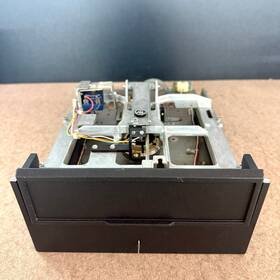
( Brand: Magnetic Peripherals ), ( Manufacturer Part Number: BR803E ), ( Model: MAGNETIC PERIPHERALS BR803E ), ( Part Type: Control Drive Data ), ( Unit Type: Unit ), ( Country/region Of Manufacture: United States )
Review MAGNETIC PERIPHERALS Inch Flexible Disk Drive Data Control Corporation
The Magnetic Peripherals Br803E Flexible Drive Data Control is an innovative data transfer solution designed for seamless and efficient data transfer between various storage devices. This versatile device is equipped with advanced magnetic technology, enabling it to read and write data on magnetic tape drives without the need for internal cabling or direct physical connection.
The Br803E Flexible Drive Data Control features a robust and lightweight design, making it an excellent choice for data centers, laboratories, or any environment where data transfer between magnetic tape drives is a regular requirement. The device is compact and portable, allowing users to easily transfer data from one location to another without the hassle of complex setup processes.
The Br803E is compatible with a wide range of magnetic tape formats, including LTO, DLT, and other proprietary formats, making it a versatile tool for managing data across various storage systems. The device is also equipped with a high-speed interface, enabling fast and efficient data transfer rates, ensuring that users can manage their data quickly and effectively.
The Br803E Flexible Drive Data Control comes with an intuitive and user-friendly interface, allowing users to easily control data transfer processes and monitor progress in real-time. The device also includes advanced error correction and data verification features, ensuring that data is transferred accurately and reliably, minimizing the risk of data loss or corruption.
The Br803E Flexible Drive Data Control is also designed with robustness and reliability in mind. The device is built to withstand harsh environments and can operate in a wide range of temperatures and humidity levels, making it an ideal choice for mission-critical data transfer applications.
In summary, the Magnetic Peripherals Br803E Flexible Drive Data Control is a powerful and versatile data transfer solution that offers fast, efficient, and reliable data transfer between magnetic tape drives. Its advanced magnetic technology, compatibility with various magnetic tape formats, high-speed interface, user-friendly interface, and robust design make it an essential tool for managing data across various storage systems.
Magnetic peripherals, specifically the Bravo Magnetic Drives model Br803E Flexible Drive Data Control, offer several advantages and disadvantages for data handling and storage. Here are the key pros and cons:
Pros:1. Flexibility: Magnetic drives are highly flexible as they do not have any moving parts, unlike traditional hard drives. This makes them less prone to physical damage and ideal for use in harsh environments where vibration or shock could damage other types of drives.
2. Durability: The absence of moving parts also makes magnetic drives more durable, as they do not have the risk of mechanical failure that comes with traditional hard drives. This can save users money in the long run by reducing the need for frequent replacements.
3. High Data Density: Magnetic drives can store more data per square inch than traditional hard drives. This can be particularly useful for organizations and individuals who deal with large amounts of data and require high storage capacity.
4. Fast Data Access: Magnetic drives offer faster data access times than traditional hard drives due to their lack of moving parts. This can be a significant advantage for users who require quick access to their data.
Cons:1. Cost: Magnetic drives are currently more expensive than traditional hard drives. While the initial investment may be higher, the long-term savings from reduced replacement costs and increased durability can make up for the difference.
2. Limited Compatibility: Magnetic drives are not yet as widely supported as traditional hard drives. This can make it difficult for users to find compatible hardware and software for reading and writing data to magnetic drives.
3. Limited Capacity: While magnetic drives offer high data density, they currently have limited capacity compared to traditional hard drives. This may make them less suitable for users who require large storage capacities.
Conclusion:In conclusion, magnetic drives offer several advantages over traditional hard drives, including flexibility, durability, high data density, and fast data access. However, they also come with some disadvantages, such as higher cost, limited compatibility, and limited capacity. Ultimately, the decision to invest in a magnetic drive depends on the specific needs and budget of the user. For organizations or individuals who require high data density, fast data access, and operate in harsh environments, magnetic drives may be a worthwhile investment. However, for users who prioritize large storage capacities and compatibility with a wide range of hardware and software, traditional hard drives may still be the better option.
Recommendation:Based on the pros and cons discussed above, I would recommend magnetic drives for users who require high data density, fast data access, and operate in harsh environments where traditional hard drives may be susceptible to damage. However, for users who prioritize large storage capacities and compatibility with a wide range of hardware and software, traditional hard drives may still be the better option. It's essential to carefully consider the specific needs and budget of your organization or personal use case before making a decision.
Details:
Sold as is with our satisfaction guarantee below. 30-day money-back guarantee.
specifications batetecha:
- brand: Magnetic Peripherals
- mpn: Br803e
- model: Magnetic Peripherals Br803e
- part type: Control Drive Data
- unit type: Unit
- country/region of manufacture: United States
returns batetecha:
- time: 30 Days
- paid by: Seller
- policy: Returns Accepted
- method: Money back
shipping batetecha:
- cost: $0.00
- service: USPS Ground Advantage
- carrier: USPS
- type: Fixed
- transit: 3-8 Days
- class: Standard
payments batetecha:
- wallet: Google-pay
- credit card: Visa
- other
seller batetecha:
- # reviews: 13362
- city: Tiverton, Rhode Island
- rating: 99.2%
offer batetecha:
- started: March 4, 2025
- sold: 0
- best offers: True
- quantity: 1
- options: Ship-to-home
- availability: In Stock
general batetecha:
- condition: Used
- Business Industrial > Other Business Industrial
